
Ever been stranded in the middle of a lake because your boat decided to take an unexpected break? Or worse—have you ever panicked when someone went overboard without proper safety gear? Yeah, us too. It’s moments like these that make you realize just how critical water rescue equipment is for anyone renting boats or engaging in water sports.
In this post, we’ll dive deep into the world of Water Rescue Equipment Reviews, helping you understand what gear works best, why it matters, and how to avoid drowning (literally and figuratively) in bad choices. You’ll discover key insights about boat rental insurance, learn step-by-step how to choose the right equipment, and get actionable tips to stay safe while having fun.
Table of Contents
- Why Water Rescue Equipment Matters More Than You Think
- How to Choose the Best Water Rescue Gear
- Top Tips for Using & Maintaining Your Rescue Gear
- Real-Life Examples of Water Rescue Success Stories
- Frequently Asked Questions About Boat Rental Insurance
Key Takeaways
- Having reliable water rescue equipment can save lives—and headaches.
- Boat rental insurance often covers rescue gear—make sure yours does!
- Not all life jackets are created equal; quality matters more than price.
- Maintenance is king: Dirty or damaged gear won’t do you any favors.
Why Water Rescue Equipment Matters More Than You Think
“Optimist You:” “I’m sure we’ll never need this stuff.”
Grumpy You: “Ugh, fine—but only if coffee’s involved.”
Let’s talk stats: According to the U.S. Coast Guard, there were over 4,000 recreational boating accidents in 2022 alone, resulting in nearly 600 deaths. Many of these could have been prevented with the right safety measures—including adequate water rescue equipment.
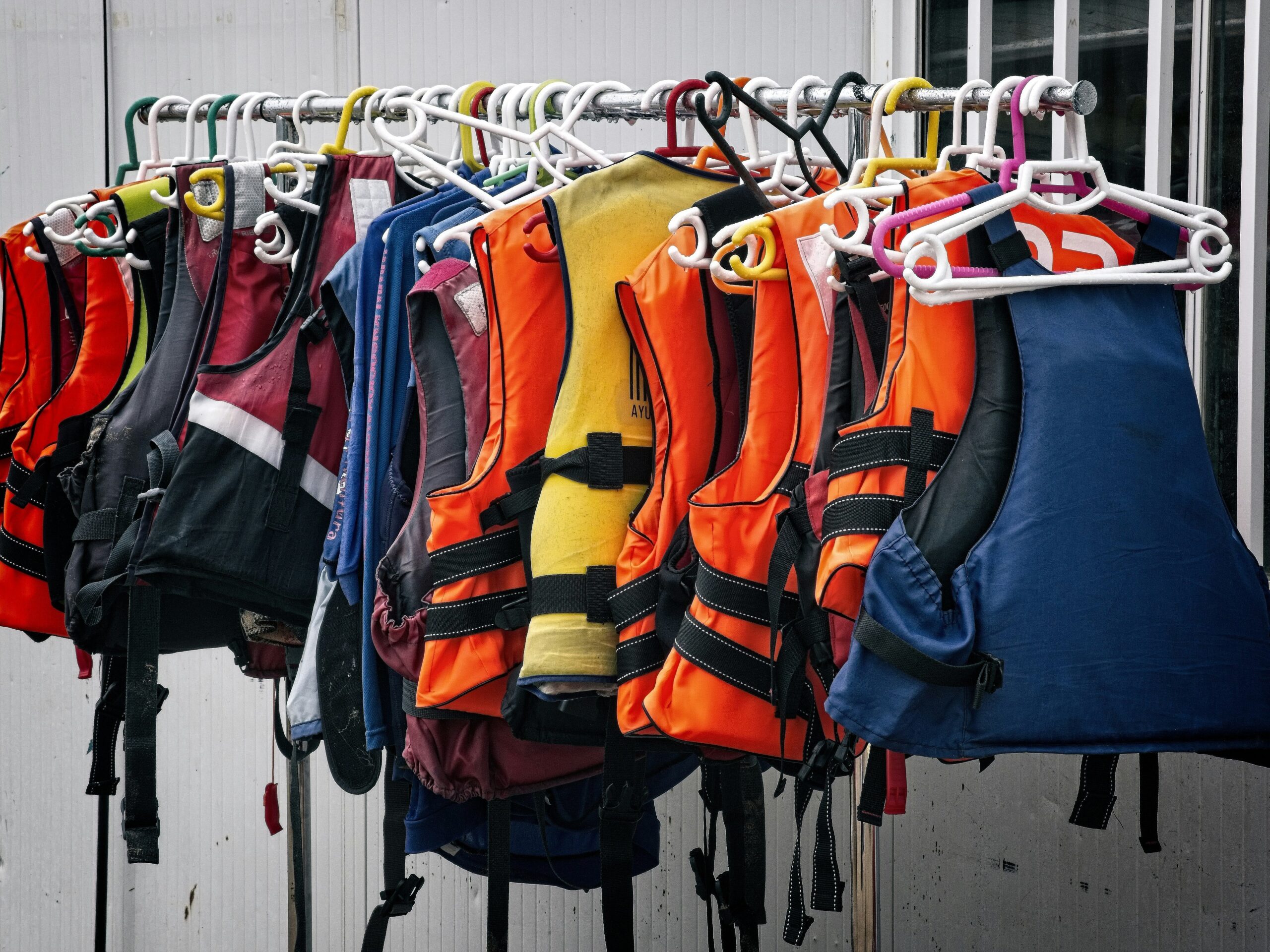
I once rented a kayak without checking its included safety kit. Big mistake. Turns out, the “life jacket” was more flotation device than actual PFD (personal floatation device). Lesson learned—the hard way.
Sounds like nails on a chalkboard? That’s the sound of regret echoing through every boater who skipped their safety checklist.
How to Choose the Best Water Rescue Gear
- Know Your Needs: Are you kayaking? Jet skiing? Fishing? Different activities require different types of equipment.
- Check Certifications: Look for gear approved by organizations like UL or ISO.
- Prioritize Comfort: A bulky life vest won’t be worn—it has to feel good to work well.
- Budget Wisely: Yes, cheaper options exist, but skimping here isn’t worth it.
Terrible Tip Alert
Buying used gear from Craigslist might *seem* budget-friendly—but hello, hidden mold and mildew! Stick to reputable dealers or brands unless you want to smell like a wet dog forever.
Top Tips for Using & Maintaining Your Rescue Gear
- Rinse everything after use to prevent saltwater corrosion.
- Inspect straps, zippers, and buckles regularly for wear and tear.
- Store gear in dry, cool areas away from direct sunlight.
- Replace batteries in emergency signaling devices annually.
Real-Life Examples of Water Rescue Success Stories
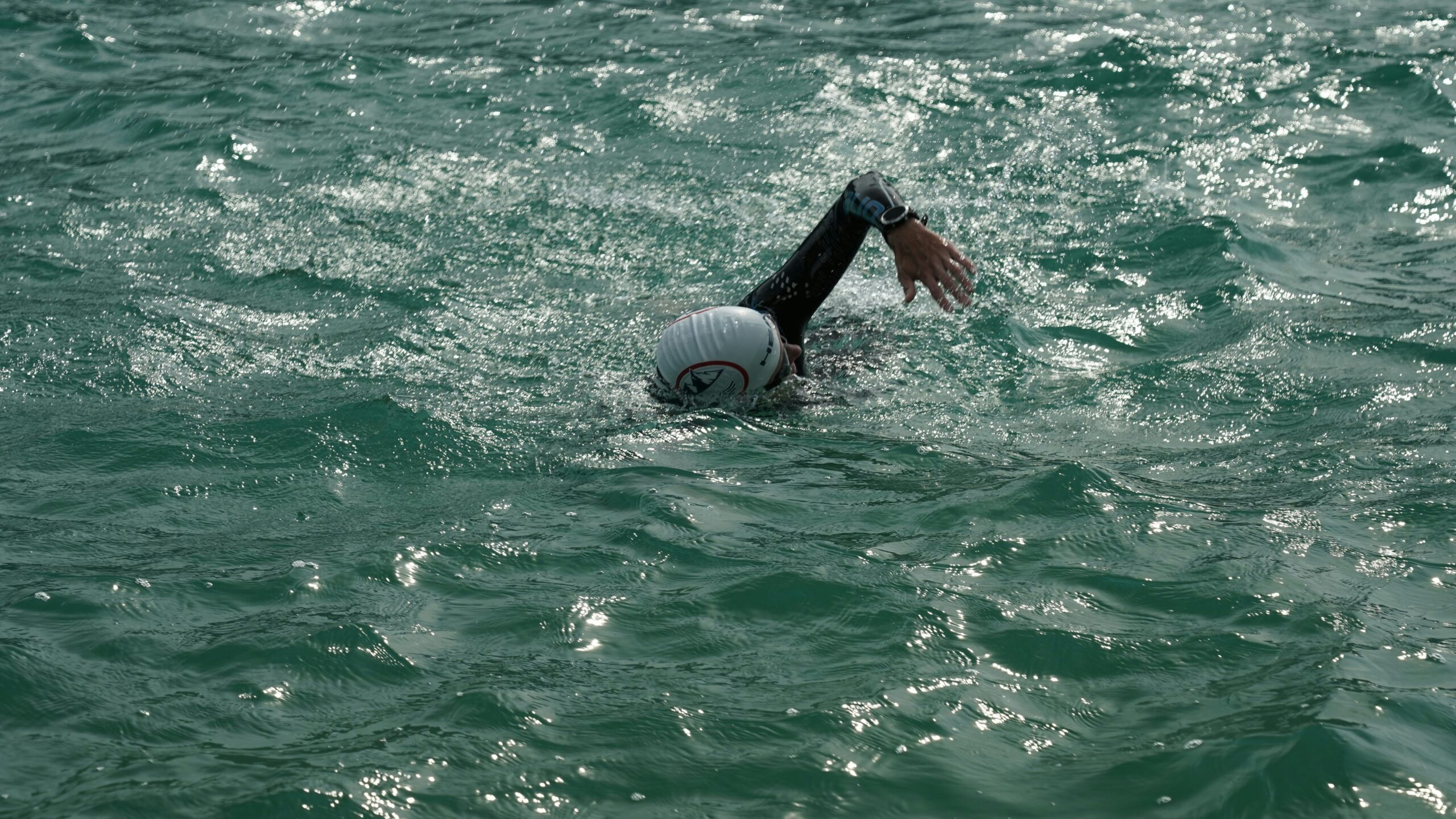
Remember that time off Miami Beach when a family capsized due to rough waves? Thanks to their inflatable life raft and waterproof VHF radio, they signaled for help within minutes. Spoiler alert: Everyone survived, thanks to smart preparation.
Another case study comes from Lake Tahoe, where a solo paddleboarder used a personal locator beacon (PLB) to call for assistance after losing their board in freezing temps. Again, preparedness = survival.
Frequently Asked Questions About Boat Rental Insurance
Does boat rental insurance cover water rescue equipment?
Yes—if specified in your policy. Always read the fine print!
What happens if my gear breaks during a trip?
Most rental companies offer replacement policies, but bring backups if possible.
Is renting better than buying?
Depends on frequency. Casual users benefit from rentals; frequent adventurers should invest in owning gear.
Conclusion
Navigating the waters safely doesn’t have to feel like sailing blindfolded. With the right water rescue equipment, knowledge of boat rental insurance, and adherence to maintenance best practices, you’re set for smooth voyages ahead.
Like a Tamagotchi, your SEO needs daily care—and so does your safety planning. Stay sharp, stay safe, and don’t forget your whistle!


