Ever tried planning a weekend boat rental only to realize you forgot something critical—like insurance? Or worse, someone accidentally dings the hull and you’re left holding the bill. Yeah, us too.
In this post, we’ll walk you through everything you need to know about crafting a boat rental safety plan, including tips, actionable steps, and mistakes to avoid. You’ll learn how to protect yourself financially, keep your crew safe, and enjoy stress-free water adventures.
We’ll cover:
- The #1 reason renters skip safety checks—and regret it later
- A step-by-step guide to building your own safety plan
- Top 5 tips for avoiding disaster on the water
- Real-world examples of what *not* to do (spoiler: they involve no life jackets)
Table of Contents
- Key Takeaways
- Why You Need a Boat Rental Safety Plan
- How to Create Your Own Boat Rental Safety Plan
- Best Practices for Safe Boating
- Real-World Examples
- FAQs About Boat Rental Insurance & Safety Plans
- Conclusion
Key Takeaways
- A well-crafted boat rental safety plan minimizes risks, saves money, and keeps everyone onboard safe.
- Properly researching and understanding boat rental insurance can prevent expensive mishaps.
- Safety plans should include emergency contacts, floatation devices, and pre-departure checklists.
Why You Need a Boat Rental Safety Plan
Here’s a stat that’ll make your palms sweat: Over 70% of boating accidents are caused by operator error. Yikes. And guess what? Most rental companies don’t babysit their boats once they hand over the keys—or in this case, the throttle.
Confession time: On my first-ever boat rental, I thought “checking” meant glancing at the fuel gauge and calling it good. Fast forward an hour, and there I was, stranded because the motor decided to take a nap mid-lake. Spoiler alert: I didn’t have roadside assistance, er, waterway assistance, covered under my policy. That day taught me two things:
- Always read the fine print.
- A boat rental safety plan isn’t optional—it’s essential.
If you’re renting a boat, a safety plan ensures you’ve got all bases covered—from checking equipment functionality to knowing local regulations.
How to Create Your Own Boat Rental Safety Plan
Building a boat rental safety plan doesn’t have to be as complicated as tying nautical knots. Here’s how to get started:
Step 1: Assess Your Crew
Optimist You: “Let’s grab some friends and hit the waves!”
Grumpy You: “Hold up—does anyone actually know how to steer?”
Before anything else, evaluate who’s coming along. Are they experienced swimmers? Do they understand basic navigation? Knowing these details will help tailor your safety measures.
Step 2: Review the Rental Agreement
Don’t gloss over the fine print. Look for info on liability coverage, damage waivers, and penalties. If anything seems unclear, ask the rental agency directly. Trust me; it’s better than finding out after the fact.
Step 3: Run a Pre-Departure Checklist
- Life jackets: Check quantity and condition.
- Fuel levels: Ensure enough to last the trip plus extra buffer.
- Communication tools: Bring a waterproof phone case or marine radio.
Step 4: Map Out Emergency Procedures
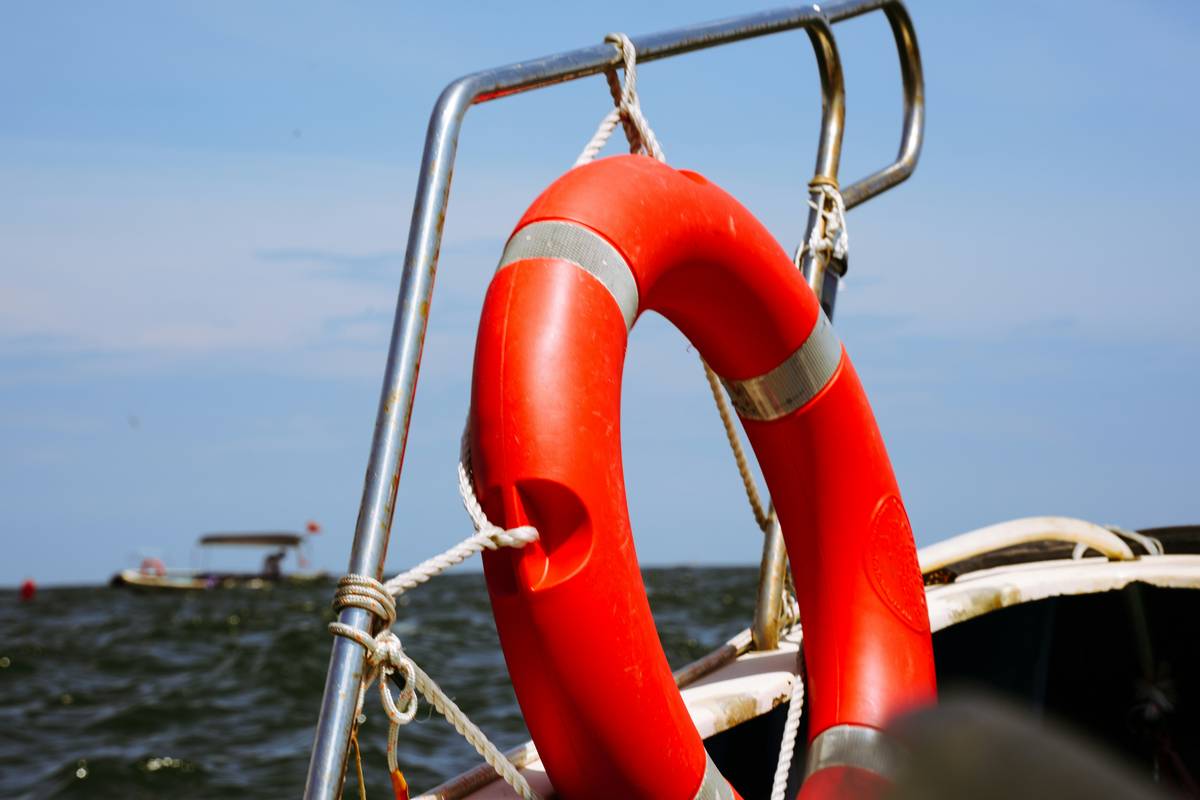
Know where the nearest marinas, hospitals, and coast guard stations are located. Save emergency numbers in your phone—but also write them down somewhere waterproof. Tech fails more often than we’d like to admit.
Best Practices for Safe Boating
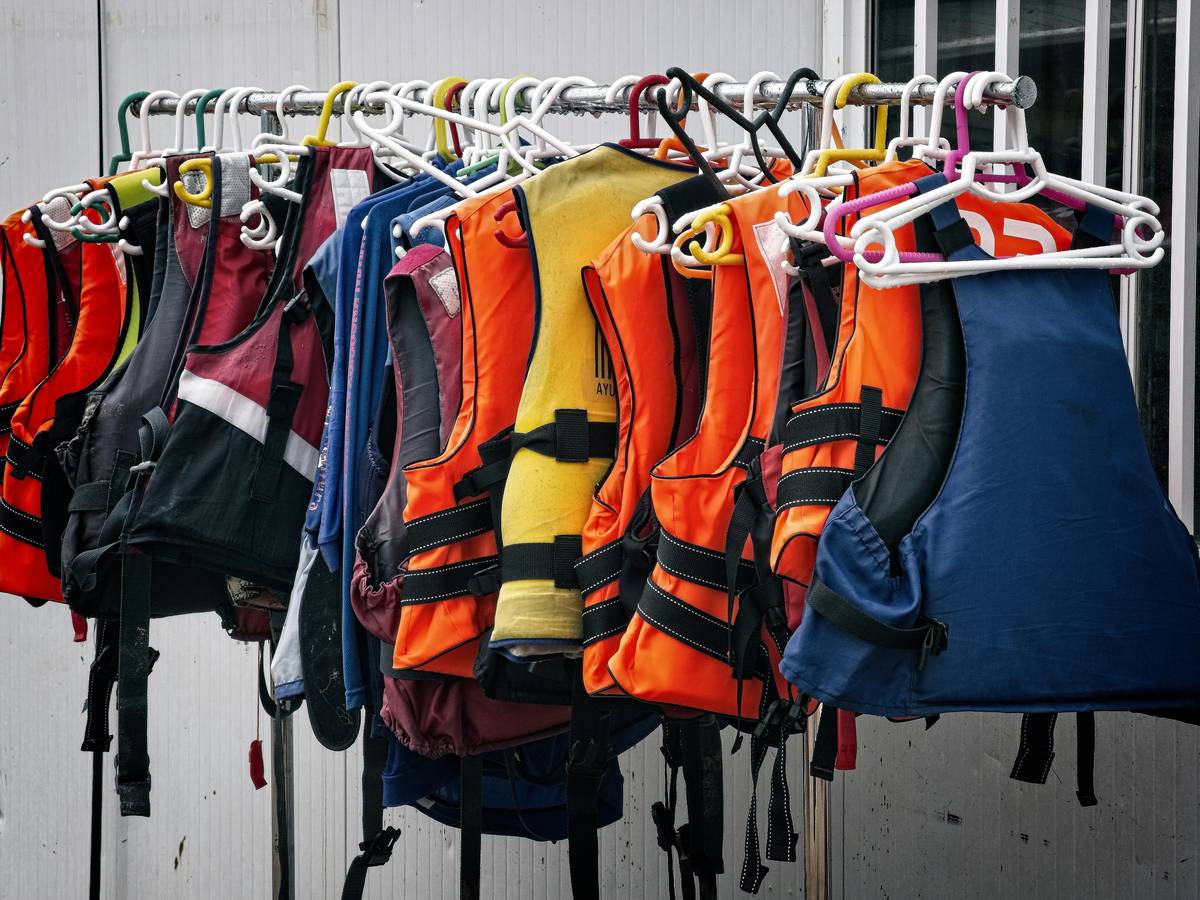
- NEVER skimp on life jackets. They’re not just accessories—they’re lifesavers. Literally.
- Stick to designated zones. Straying into restricted areas is a rookie move that could land you in hot water—figuratively and literally.
- Avoid drinking and driving. A DUI on water has consequences similar to one on land—and then some.
- Check weather forecasts. Sunny skies can turn stormy faster than you think.
- Practice communication protocols. Everyone aboard should know how to signal distress if needed.
Rant Alert: I cannot stand seeing people treat safety briefings like background noise. It’s like ignoring airplane instructions before takeoff—it’s dumb and dangerous.
Real-World Examples
Example 1: The Unprepared Crew
Last summer, a group rented a pontoon boat without verifying its engine health. Mid-lake, the motor died, leaving them floating aimlessly until help arrived. Lesson learned? Always double-check the mechanics during your pre-rental inspection.
Example 2: Ignoring Weather Warnings
A family set sail despite ominous clouds looming overhead. Within hours, their kayak capsized in rough waters. While everyone survived, the experience could’ve ended tragically had rescue teams been delayed.
FAQs About Boat Rental Insurance & Safety Plans
Do I Really Need Boat Rental Insurance?
Yes. Even careful drivers crash sometimes. Without insurance, you’re responsible for every ding, dent, or disaster.
What Does a Typical Policy Cover?
Policies vary but typically cover physical damage, medical expenses, and liability protection. Read yours carefully!
Can I Skip Life Jackets for Experienced Swimmers?
Nope. No matter how strong a swimmer someone is, unexpected situations happen. Plus, many states legally require life jackets regardless.
Conclusion
Crafting a boat rental safety plan may feel tedious, but trust me—it’s worth every second. From protecting yourself financially to ensuring everyone returns safely, preparation is king.
So next time you rent a boat, remember our foolproof formula: Assess, Review, Prepare, Protect. Oh, and always pack sunscreen—it won’t save lives, but lobster-red skin is never fun.
Stay safe out there, captain. Like riding Space Mountain blindfolded, skipping safety steps = bad idea.
*Insert nostalgic meme reference here:* Just like syncing a Tamagotchi, tending to your safety plan requires daily attention. Now go forth and conquer those waters responsibly!

