
“Ever rented a boat, only to have your day ruined by unexpected weather? Now imagine the bill for damages. Yeah, us too.”
If you’ve ever dealt with weather-related claims on your boat rental insurance, you know the headache it brings. From sudden storms to choppy waters, nature can throw curveballs that even the best captains can’t dodge. In this guide, we’ll break down everything you need to know about protecting yourself, handling claims like a pro, and why some policies are more “sinking ship” than safety net.
Here’s what we’ll cover:
- Why weather is the #1 enemy of boat rentals
- Step-by-step guide to filing a weather-related claim
- Tips to avoid common boating disasters (and the sneaky fine print in your policy)
- A real-world case study of how one renter saved thousands through smart preparation
Table of Contents:
- Key Takeaways
- Why Weather Is Your Worst Enemy
- How to File a Weather-Related Claim Without Losing Your Mind
- Top Tips for Navigating Weather Risks
- Real-Life Example: How One Renter Beat the System
- FAQs About Boat Rental Insurance and Weather Claims
- Conclusion: Stay Afloat with Smart Insurance Choices
Key Takeaways:
- Weather-related claims are the most common issue faced by boat renters.
- A solid understanding of your policy’s exclusions can save you thousands.
- Filing promptly and documenting everything is critical when making a claim.
- Some policies require additional coverage for severe weather events—always double-check!
Why Weather Is Your Worst Enemy When Renting a Boat
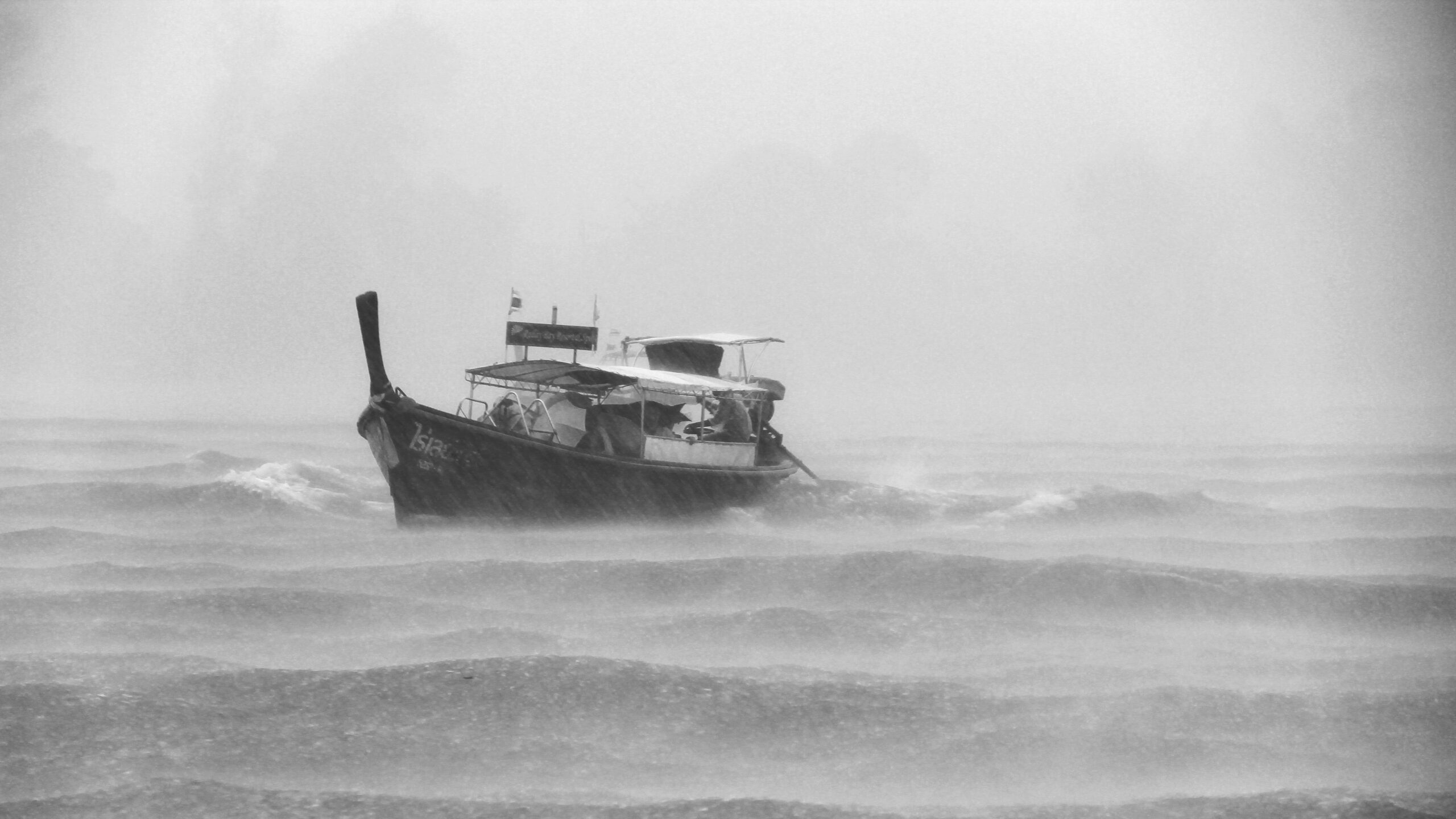
Picture this: You’re out enjoying a sunny afternoon on the water, sipping your favorite beverage, when suddenly dark clouds roll in. Before you know it, winds are howling, rain is pelting down, and your dream day turns into a watery nightmare.
According to the National Oceanic and Atmospheric Administration (NOAA), over 70% of boating accidents each year are caused by adverse weather conditions. And here’s the kicker—those accidents often lead to hefty repair bills or worse, total loss of the vessel. That’s where boat rental insurance comes in…or so you’d think.
But here’s my confessional fail moment: I once ignored a “small print” clause about high-wind exclusions in my policy. Cue a freak windstorm that left me footing an $8,000 repair bill. Ouch. Lesson learned: Always read the ENTIRE policy. Not just the shiny highlights.
How to File a Weather-Related Claim Without Losing Your Mind

Filing a weather-related claim doesn’t have to feel like wrestling a shark bare-handed. Here’s your step-by-step survival guide:
- Document Everything: Snap photos of any damage immediately. Document surrounding conditions as well—was there debris from the storm? Was the marina flooded? Grumpy Optimist Dialogue: *Optimist You:* “This evidence will help my case!” *Grumpy You:* “Ugh, but my phone was already wet.”
- Contact Your Insurer ASAP: Time is not your friend here. Most policies require notification within 24–48 hours of the incident.
- Gather Supporting Evidence: Include weather reports, witness statements, and receipts for repairs.
- Review Your Policy Again: Seriously, go back and make sure you qualify. Some plans exclude specific types of weather (looking at you, hurricanes).
- Get Professional Help if Needed: Consider hiring a marine surveyor to assess structural damage. Yes, it costs money upfront—but trust me, it’s worth it.
Top Tips for Navigating Weather Risks
- Always Check Forecasts: Use apps like Windy or NOAA’s Marine Forecast to stay ahead of Mother Nature.
- Purchase Comprehensive Coverage: Don’t skimp on extras like hurricane clauses unless you enjoy gambling with your wallet.
- Rant Break: Ugh, why do they bury the important details in microscopic font at the bottom?! READ THE WHOLE THING!
- Create a Checklist: Having a pre-departure checklist ensures you haven’t missed anything obvious before setting sail.
- Terrible Tip Disclaimer: Skipping insurance altogether because “nobody gets hurt” is dumb. Trust me—I’ve seen too many horror stories.
Real-Life Example: How One Renter Beat the System
Meet Sarah, a recreational sailor who found herself knee-deep in chaos after a sudden squall capsized her rented boat. Thanks to meticulous documentation—including photos of the wreckage, local weather alerts, and a copy of her itinerary—she successfully filed a claim and received full reimbursement within weeks. Moral of the story? Preparation pays off big time.
FAQs About Boat Rental Insurance and Weather Claims
What qualifies as a weather-related claim?
Any damage caused directly by adverse weather, such as storms, high winds, hail, or flooding, typically qualifies. However, check your policy exclusions carefully.
Do all boat rental insurances cover severe weather?
Nope! Many base-level plans exclude extreme weather events like hurricanes or tornadoes. Always verify what’s covered.
How long do I have to file a claim?
Most insurers require claims to be filed within 24–48 hours of the incident. The sooner, the better.
Can I dispute a denied claim?
Yes, but you’ll need solid evidence to back up your argument. Hiring a marine attorney might also be helpful in complex cases.
Conclusion: Stay Afloat with Smart Insurance Choices
Boat rental insurance isn’t just another boring checkbox—it’s your lifeline against unpredictable forces of nature. By understanding your policy, preparing thoroughly, and acting quickly during emergencies, you can turn potential disasters into manageable hiccups.
Now go forth and conquer those waves—and remember, always pack extra snacks. Because nothing ruins a day faster than soggy chips.
*Chef’s kiss.* Like a Tamagotchi, your boat insurance needs daily care. Except instead of pixels, you’re protecting pontoons.

