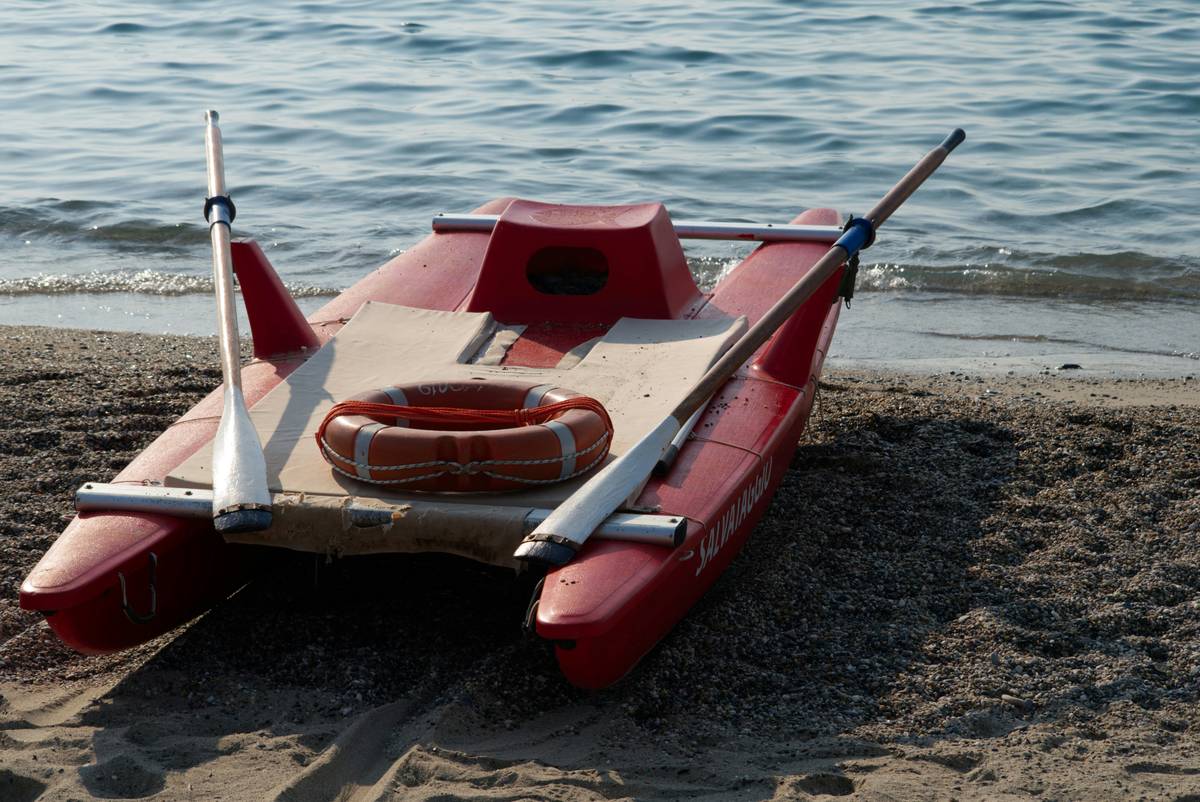
Ever rented a boat only to realize you’re one rogue wave away from financial chaos? Imagine this: your dream day on the water turns into an unexpected rescue mission, and now you’re staring at a bill that rivals your monthly rent. Yeah, we’ve been there too.
In today’s post, I’ll show you how to safeguard yourself with a rescue boat protection plan. We’ll dive deep into everything from understanding why insurance matters (even for short rentals) to tips for picking the perfect coverage. By the end of this guide, you’ll know exactly what it takes to keep calm when Mother Nature gets angry.
Table of Contents
- Why Rescue Boat Protection Matters
- Step-by-Step Guide to Get Insurance
- Best Practices for Choosing a Plan
- Case Studies: Insurance Success Stories
- FAQs About Rescue Boat Protection
Key Takeaways
- A rescue boat protection plan shields you against unforeseen expenses during emergencies.
- Renting boats without proper insurance can lead to devastating costs—sometimes up to $10,000!
- Comparison shopping is crucial; never settle for coverage without reading the fine print.
Why Rescue Boat Protection Matters
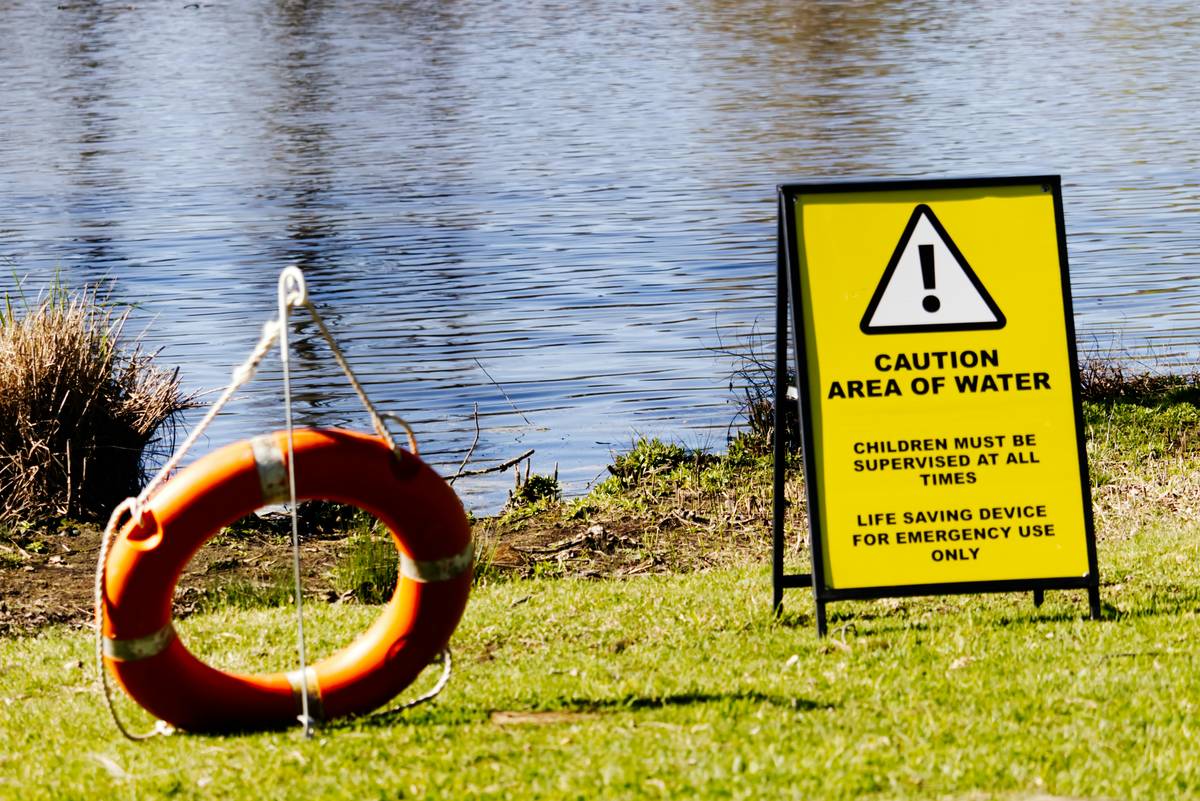
Picture this: you’re out enjoying some peaceful waterskiing when suddenly, your rental boat‘s engine dies mid-lake. You call for help, but who pays for the rescue operation? If you don’t have a solid rescue boat protection plan, guess what—it’s probably YOU.
Here’s another awkward confession: On my first-ever rented pontoon adventure, I thought “It’s just a little dinghy!” Famous last words before someone accidentally backed into another vessel. Lesson learned—the hard way.
“Optimist You:* ‘Hey, nothing bad will happen if I’m careful!’
Grumpy You: ‘Ugh, yeah right. This ain’t Netflix, stuff happens.’”*
Step-by-Step Guide to Get Insurance
Step 1: Do Your Homework
Research providers offering specialized rescue boat protection plans. Look for companies specializing in short-term rentals rather than general marine policies—they fit better for casual adventurers.
Step 2: Compare Policies
Not all insurance programs are created equal. Some cover damages but not towing fees, while others include personal injury liability. Use our handy comparison table below:
| Feature | Plan A | Plan B | Plan C |
|---|---|---|---|
| Towing Fees | Yes | No | Partial |
| Damage Coverage | $5k Limit | $10k Limit | Full Value |
| Liability Shield | No | Yes | Yes |
Step 3: Read The Fine Print
This part’s snooze-worthy but non-negotiable. One terrible tip floating around involves skipping the policy details—it’s like trusting a snake whisperer after watching Indiana Jones.
Best Practices for Choosing a Plan
- Prioritize Plans That Cover Towing And Rescues.
- Check Reviews For Claims Handling Efficiency (Pro Tip: Reddit threads are gold).
- Haggle! Yes, even with insurers. Discounts often exist for multi-day rentals.
Case Studies: Insurance Success Stories
Case Study #1: Emily’s Lake Mishap
In 2022, Emily hit rocks while turning sharply near shorelines. Her $75/day rescue boat protection plan came through big time, covering repair costs totaling nearly $4,000. Moral? Spending upfront saved her wallet later.
Case Study #2: Mark’s Mechanical Meltdown
Mark underestimated fuel needs during a stormy outing. His well-chosen plan covered over $2,000 in refueling charges plus transport back to port. Smooth sailing thanks to smart planning.
FAQs About Rescue Boat Protection
What does a rescue boat protection plan typically cost?
Expect anywhere between $50-$150 per day depending on location and vessel type.
Can I get insured after renting the boat?
Unfortunately no, most plans require enrollment pre-departure. Be proactive!
Does my credit card travel insurance cover boats?
Sometimes—but rarely fully. Double-check exclusions related to water sports equipment.
Conclusion
We dove headfirst into why having a reliable rescue boat protection plan isn’t optional—it’s essential. From understanding potential hazards to navigating policy jargon, remember these steps next time you rent:
- Research thoroughly.
- Choose wisely based on specific needs.
- Never skip those pesky terms & conditions!
Now go forth knowing you won’t break the bank should trouble strike. Like sunscreen, always pack peace of mind alongside your swimsuit.
 Waves crash loud,
 Boats need saving wide—
 Insurance rides strong.

